Anna Andersson (57) came from Poland to Norway more than a decade ago to work and build a life for herself and her children. She first worked as a cleaner, later as a care assistant. A workplace accident brought her career to an end. Since then, she has tried to return. More than 500 applications. Three interviews. No job. “When no one calls me, how can I show who I am?” NAV suggests rest, but Anna wants to work. “To the system, I am dead.”
Her days are quiet and repetitive. She wakes up, tends to the apartment, takes care of the cat, the fish, and the plants. She exercises on the stairs, plays the piano, sings. She sits in her kitchen and writes new applications. She learns, adapts, tries again. “They want someone young. Norwegian. I have become old.” The work she seeks is not only for income, but a way of being in the world. A place to be seen.
In Gdynia, the city she left behind in Poland, another story emerges. She moves faster here, speaks to strangers, laughs more openly. Before moving to Norway, she ran her own furniture business for twelve years. She had responsibility, income, and control. But also an unsafe family situation, so she chose to leave, taking her children with her. She left everything she had built to give them another life. “You have to fight and keep going,” she says. She says she feels at home in Oslo. That she is safe there. She saved her children. Now she is trying to save her own place in the world.
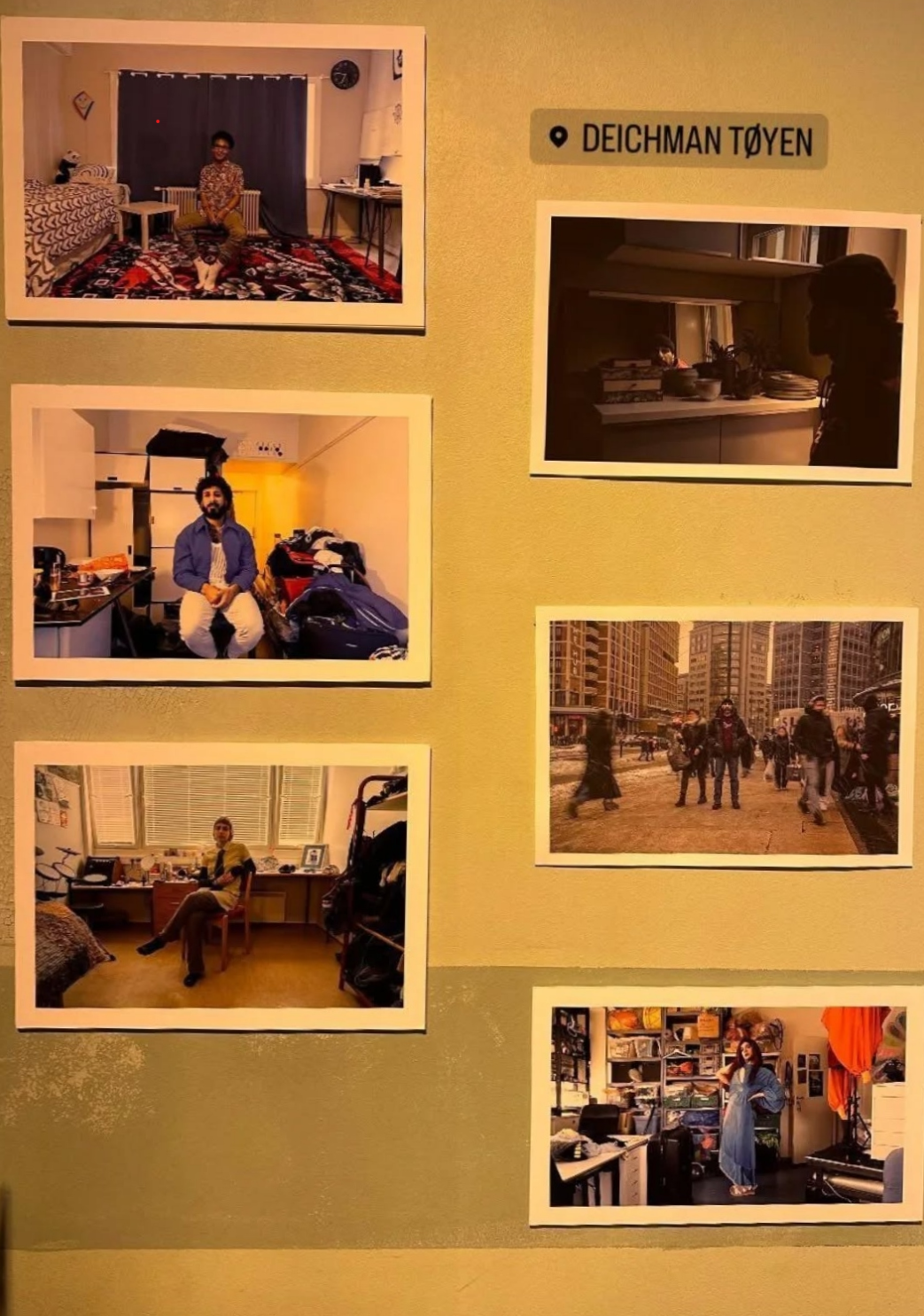
Is Norway a HOUSE or a HOME for Queer immigrants?
Where there is warmth of heart, there is a home. Do you think Norway is warm-hearted to all of us queer immigrants?
A home is an atmosphere, a soil where a person has roots. A home is a soil where a person, like a tree, has sprouted and grown into a tree. The roots have gone deep into the ground over the years. This home can be a place on top of a green hill, the edge of a football field, or even an old street. A place a person feels they belong to.
A refugee wandering in this atmosphere never knows when it might be the last time they see these streets, windows, trees, and people. All refugees have faced a difficult time where they had to decide to stay or embark on a journey.
A journey to a distant place, a place far from their homeland. From home to a house. A place that is just a roof and foreign to them. The person has no historical memories of the atmosphere. An immigrant is like a tree with roots left in their homeland, but trying to establish its branches in the new country. They are thrown out of their safe environment into the unknown, without any roots.
The integration system does not work, because there is no understanding of this, nor is there a willingness to include. There is a force and inherent desire in part of the Norwegian system that we should become assimilated Norwegians, leaving our roots behind and changing our names to Ola and Kari. Call it what you will – but I call it xenophobia, racism, discrimination, and this is encountered by every newcomer immigrant.
But it gets worse – the conditions for a queer immigrant are much harder. They experience homophobia, transphobia, and other forms of phobia. We are talking about bullying, exclusion, discrimination, threats, loneliness, and ostracism. Not only from the new society but even from compatriots in the new society.
Here, the person becomes impervious to new blows and gradually withdraws into their own isolation. They have to go back into their closet. But this time, they are even more alone and isolated than before. This is the same house with cement walls and without a soul.
 Link to the project photo gallery
Link to the debate post published in the Avisa Oslo newspaper (Norwegian)
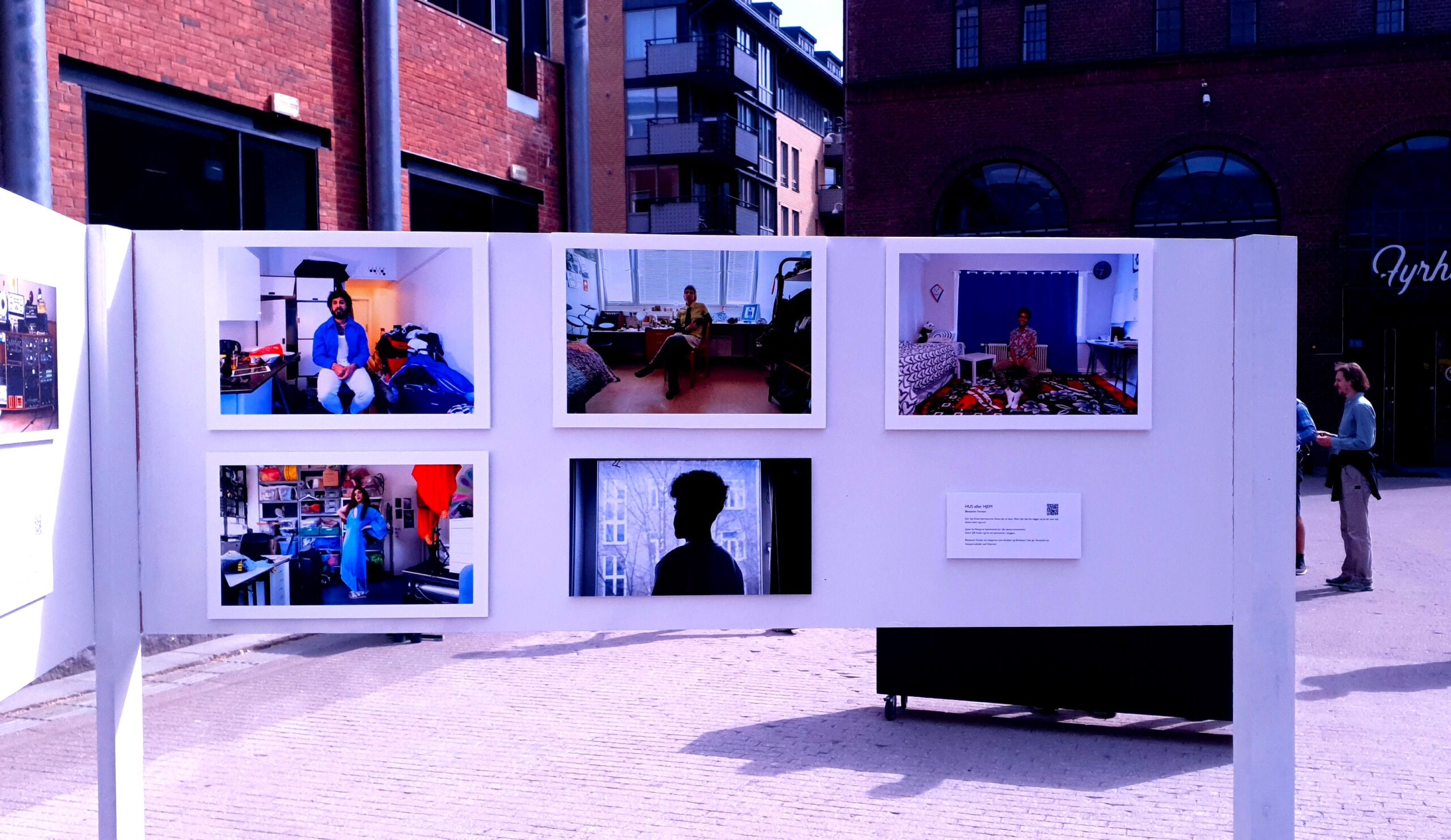
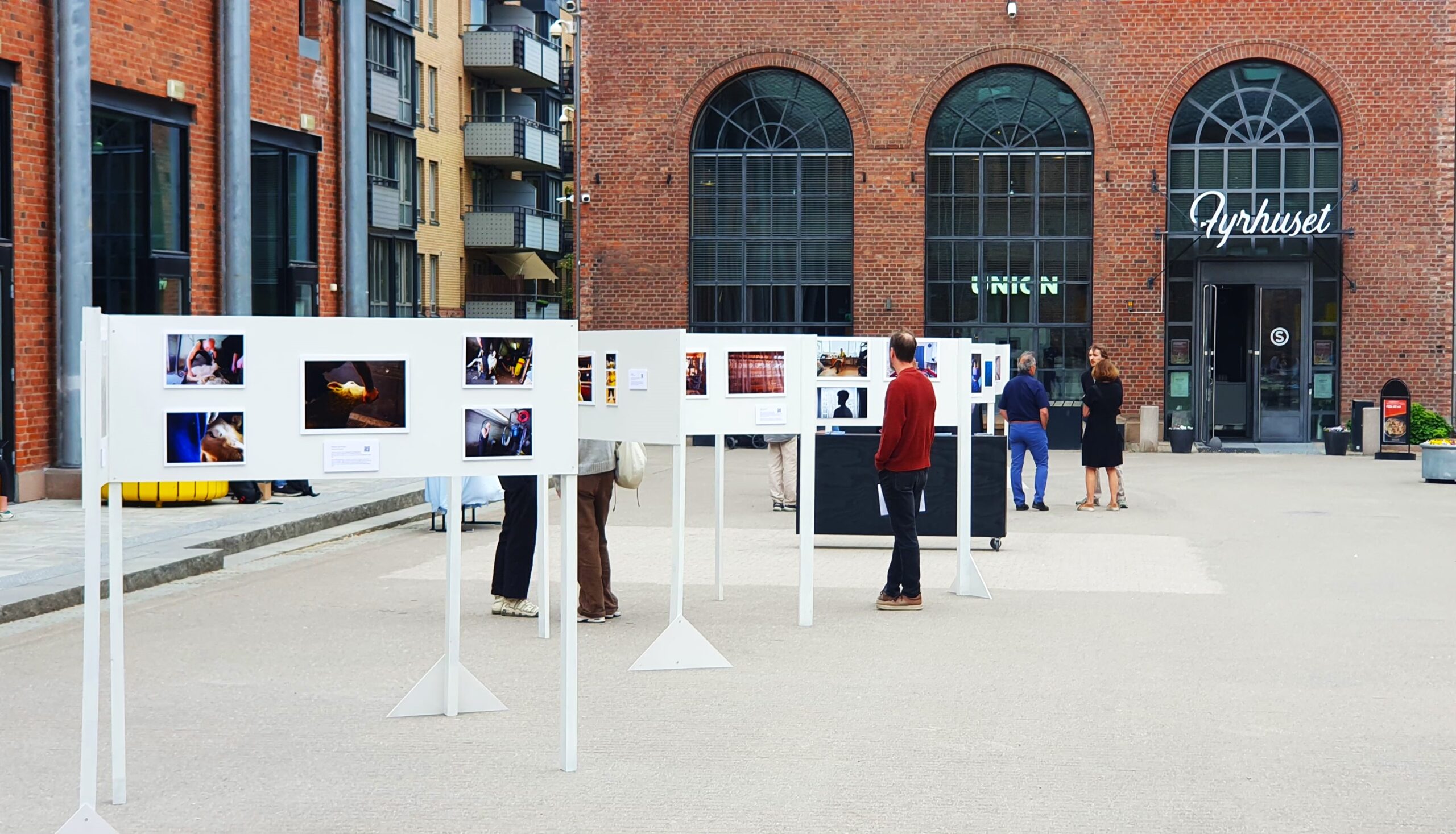
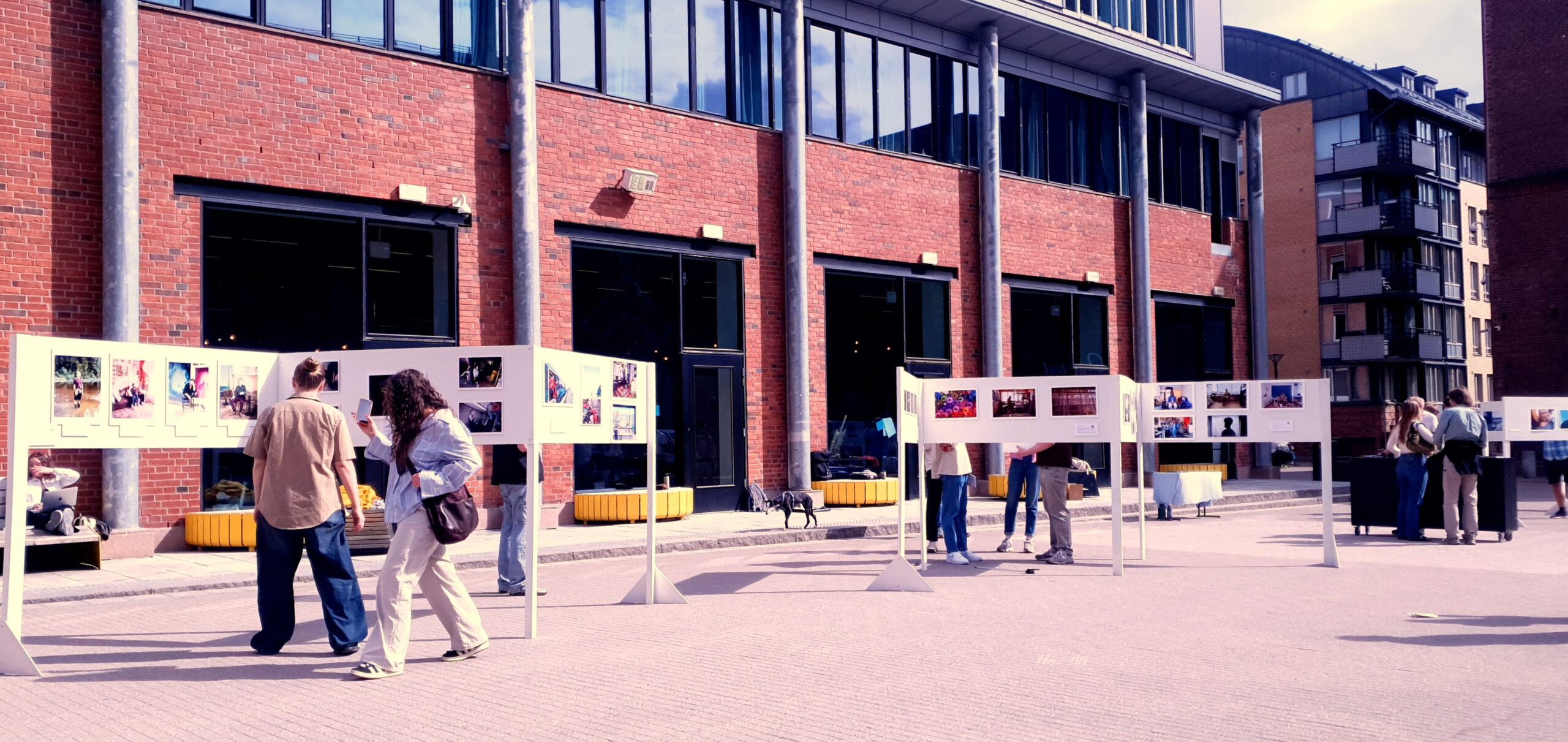
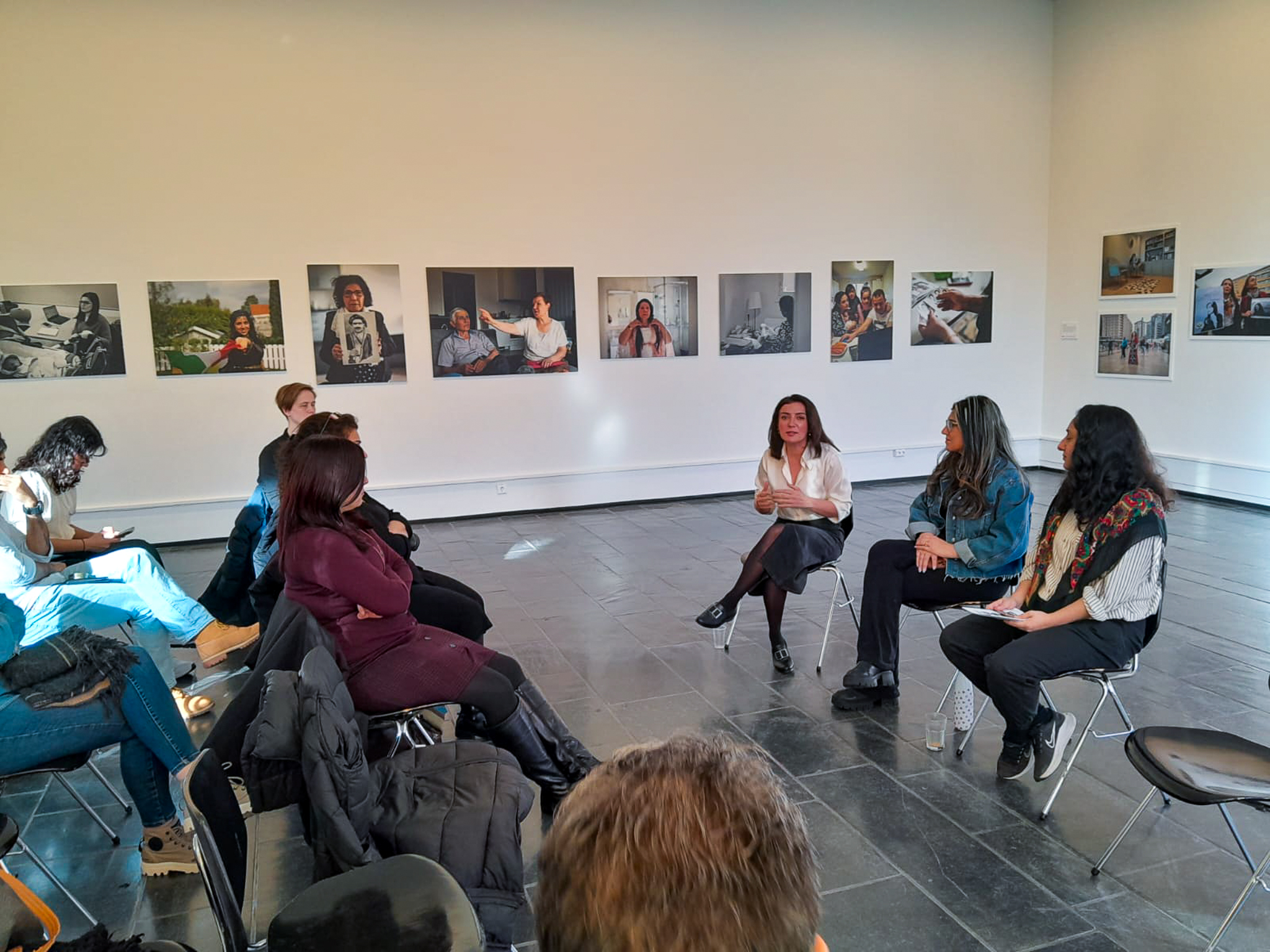
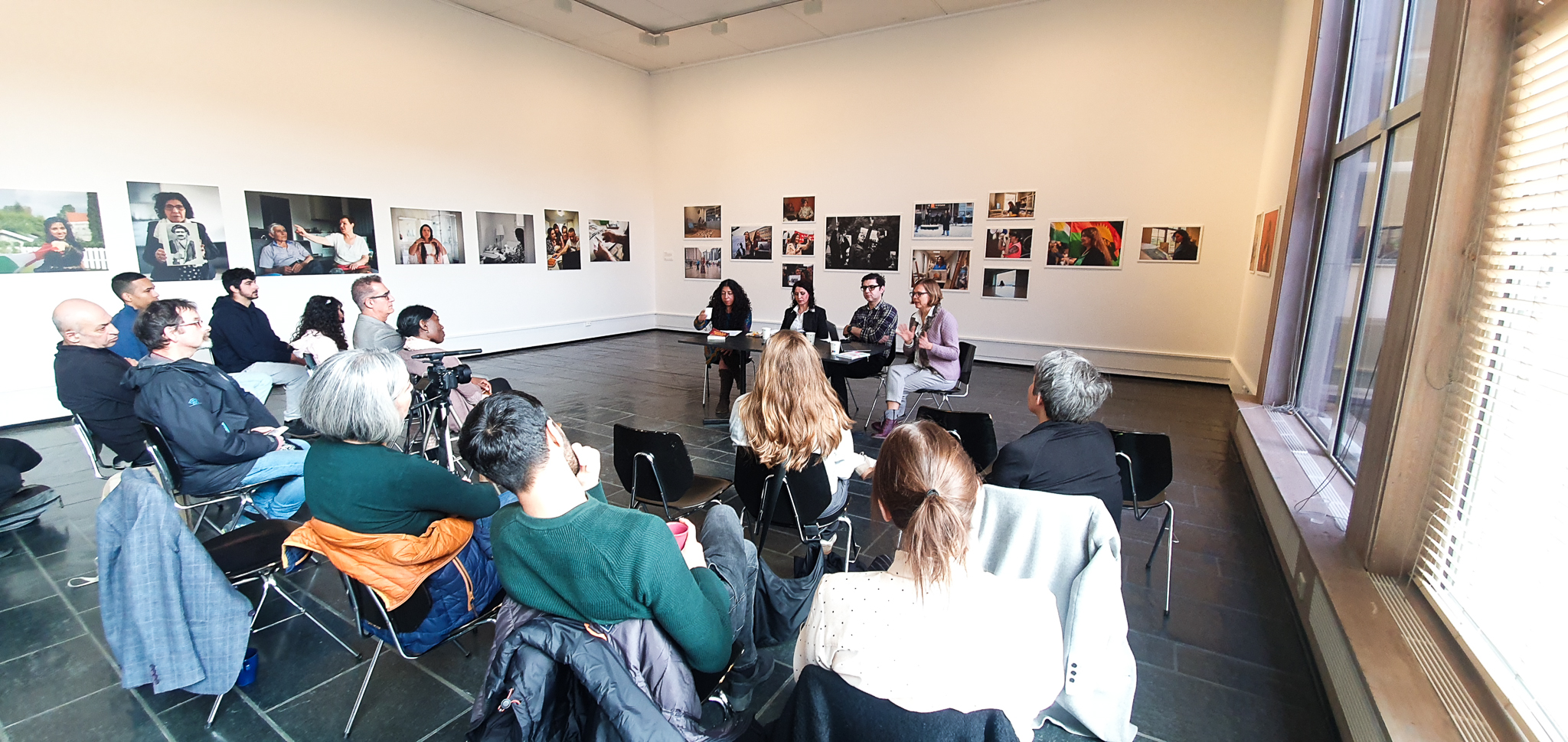
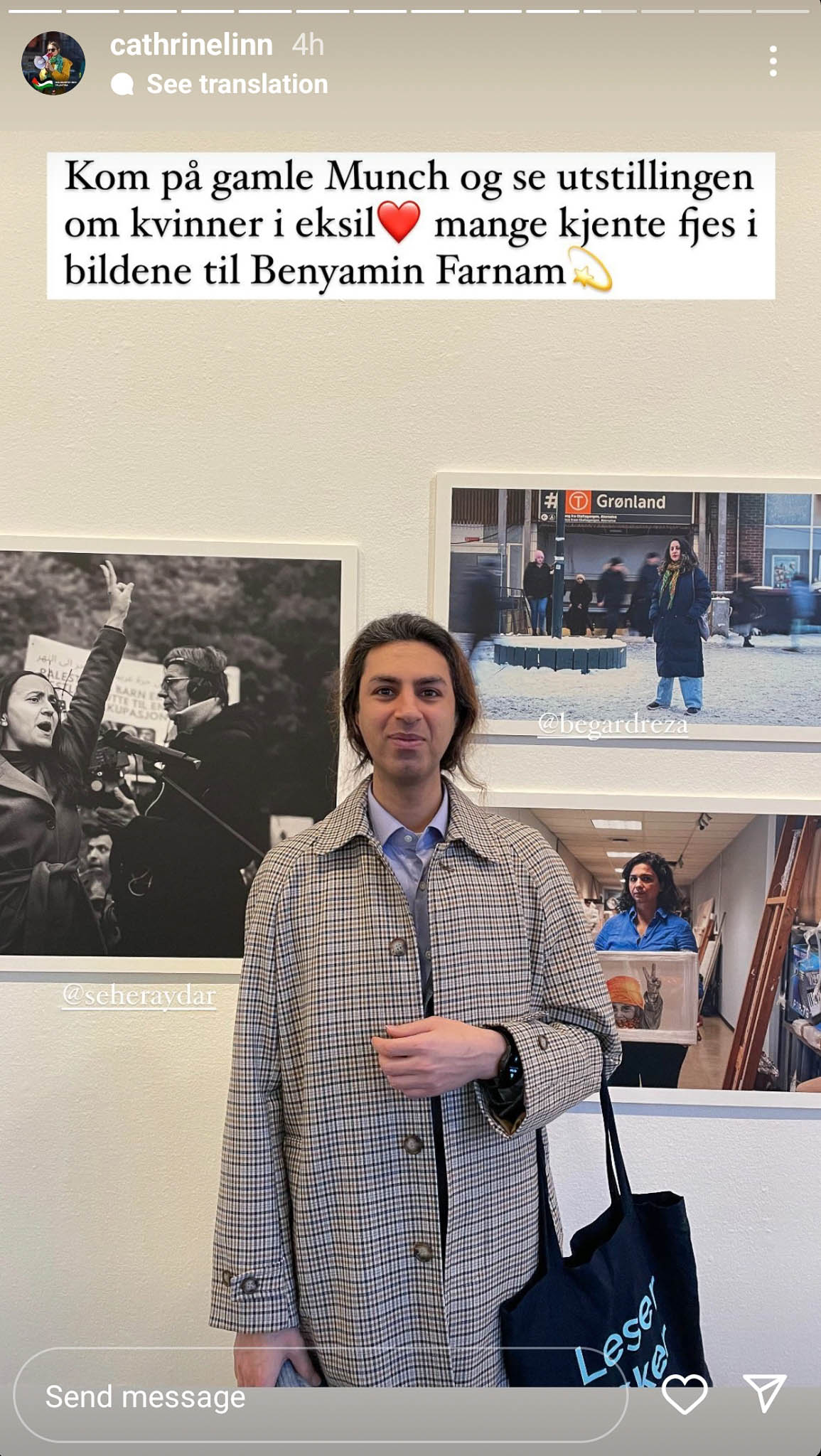
The exhibition was opened by politician and member of the Norwegian parliament Seher Aydar. There was poetry by Homa, of Sunday Poetry Corner, as well as talks by researcher Wendy Hamelink and the photographers Benyamin Farnam and Iffit Qureshi.
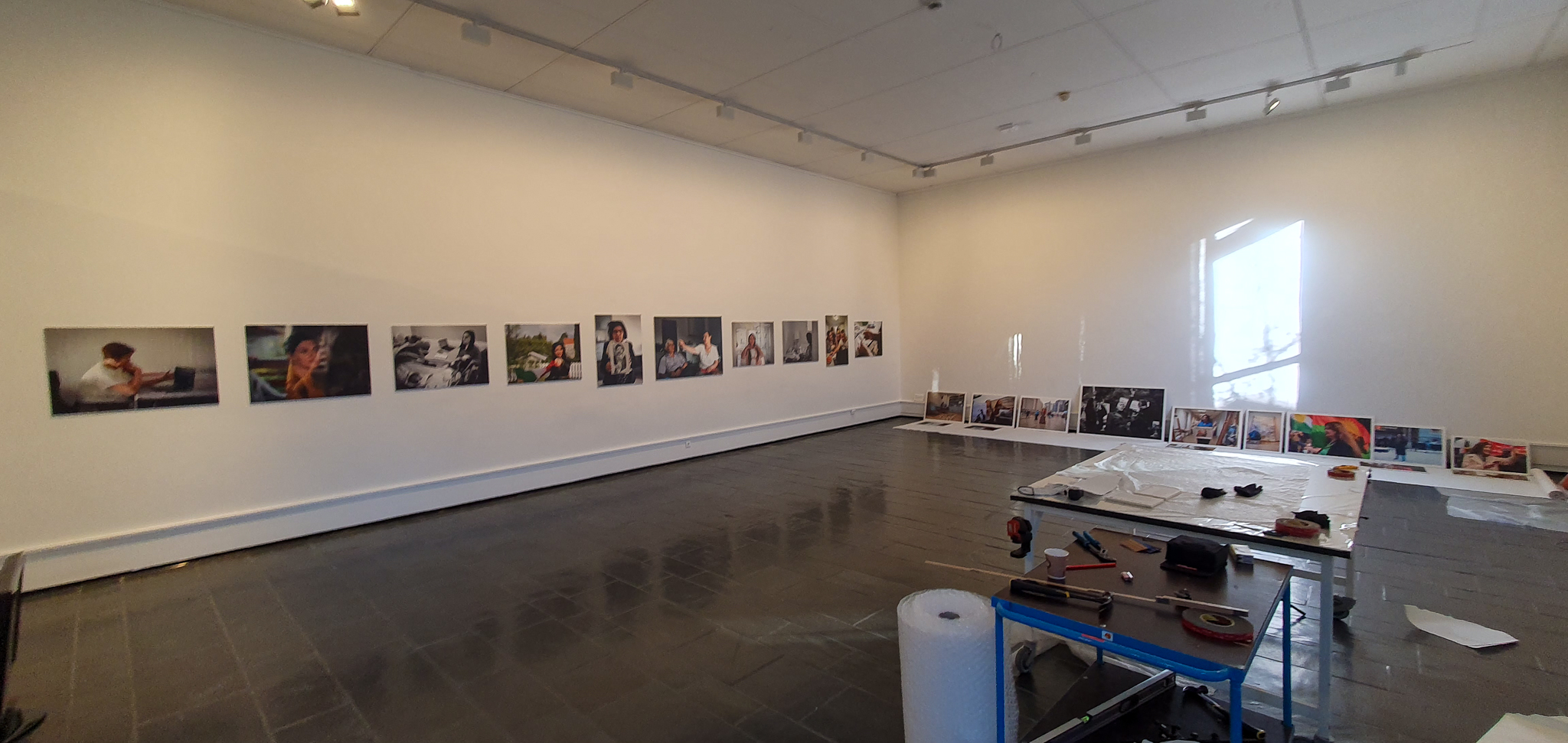
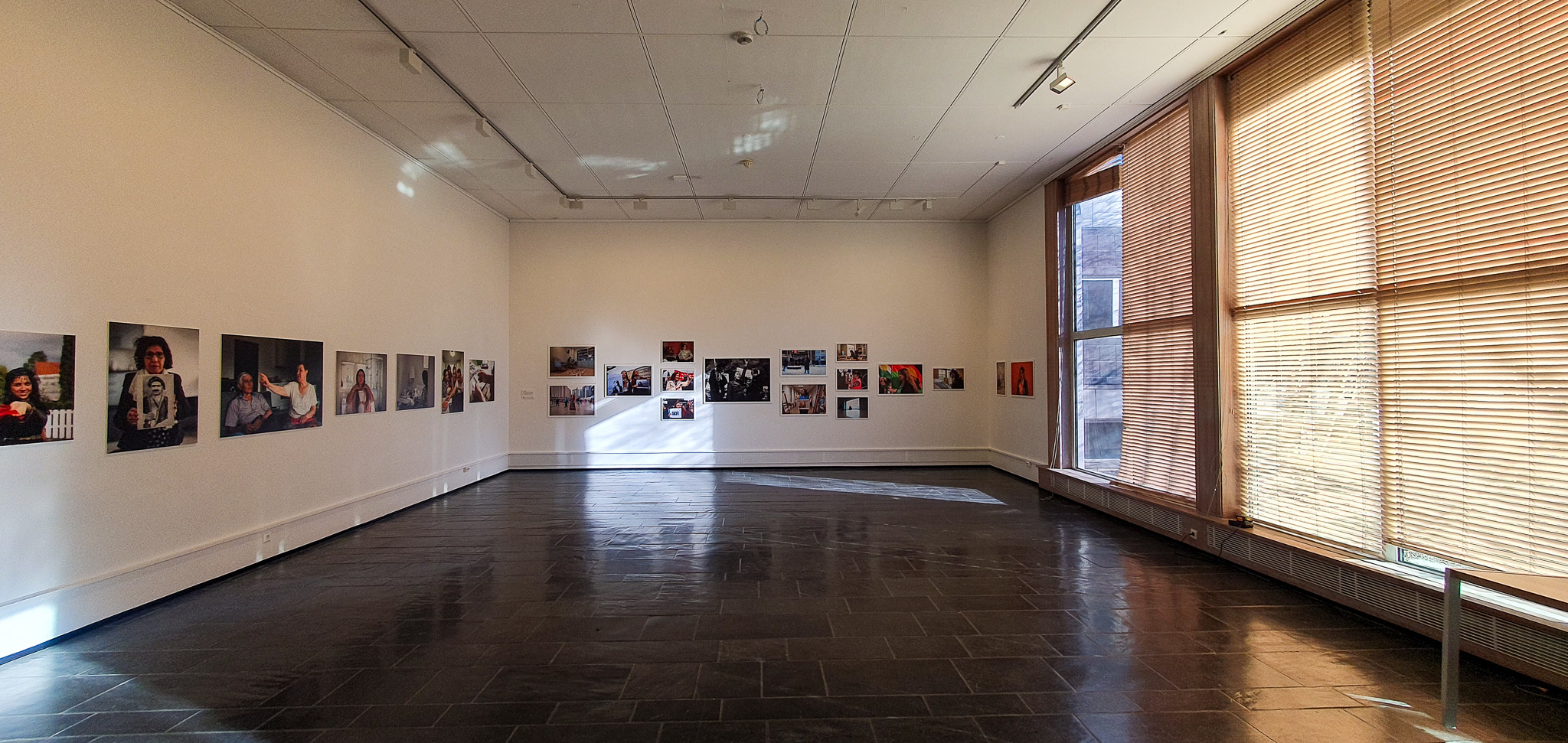
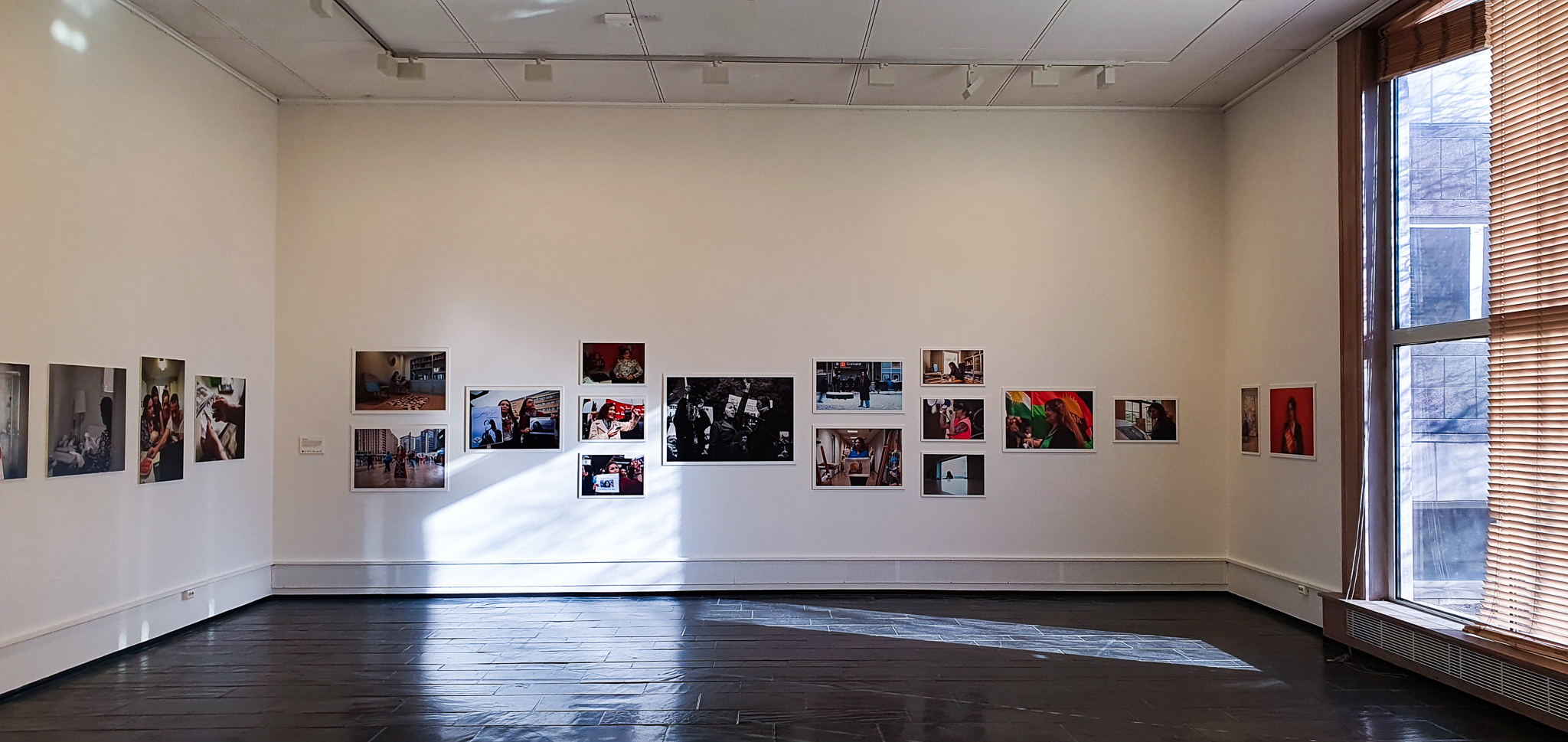
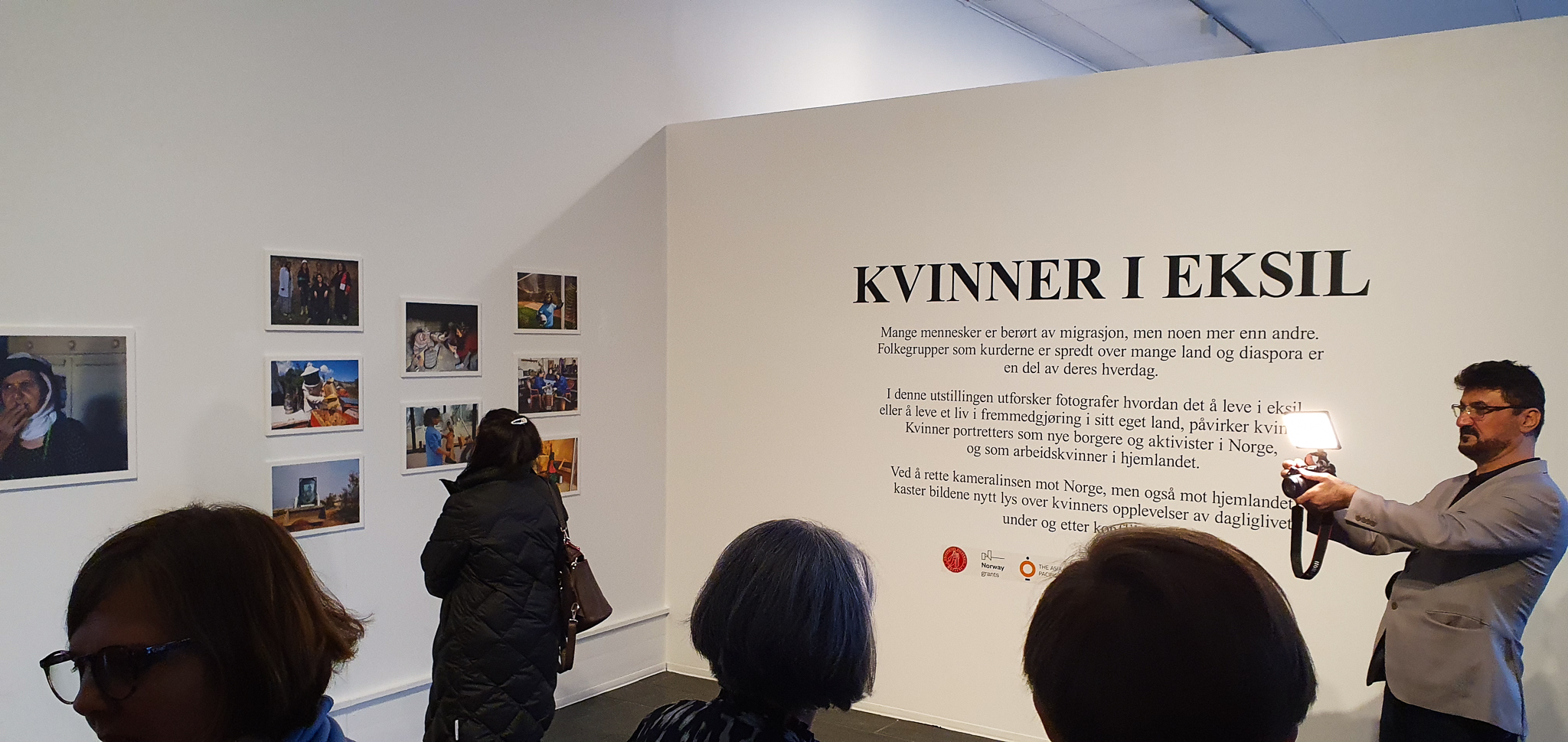
Many people are involved in migration, but some more than others. Communities like the Kurds are spread out over many countries and diaspora is part of their daily lives. In this exhibition, photographers explore how living in exile, or living a life of alienation on one’s own land, impacts women. By turning the lens on Norway, but also on the homeland Kurdistan, the pictures shed new light on women’s experiences of daily life during and after conflict.
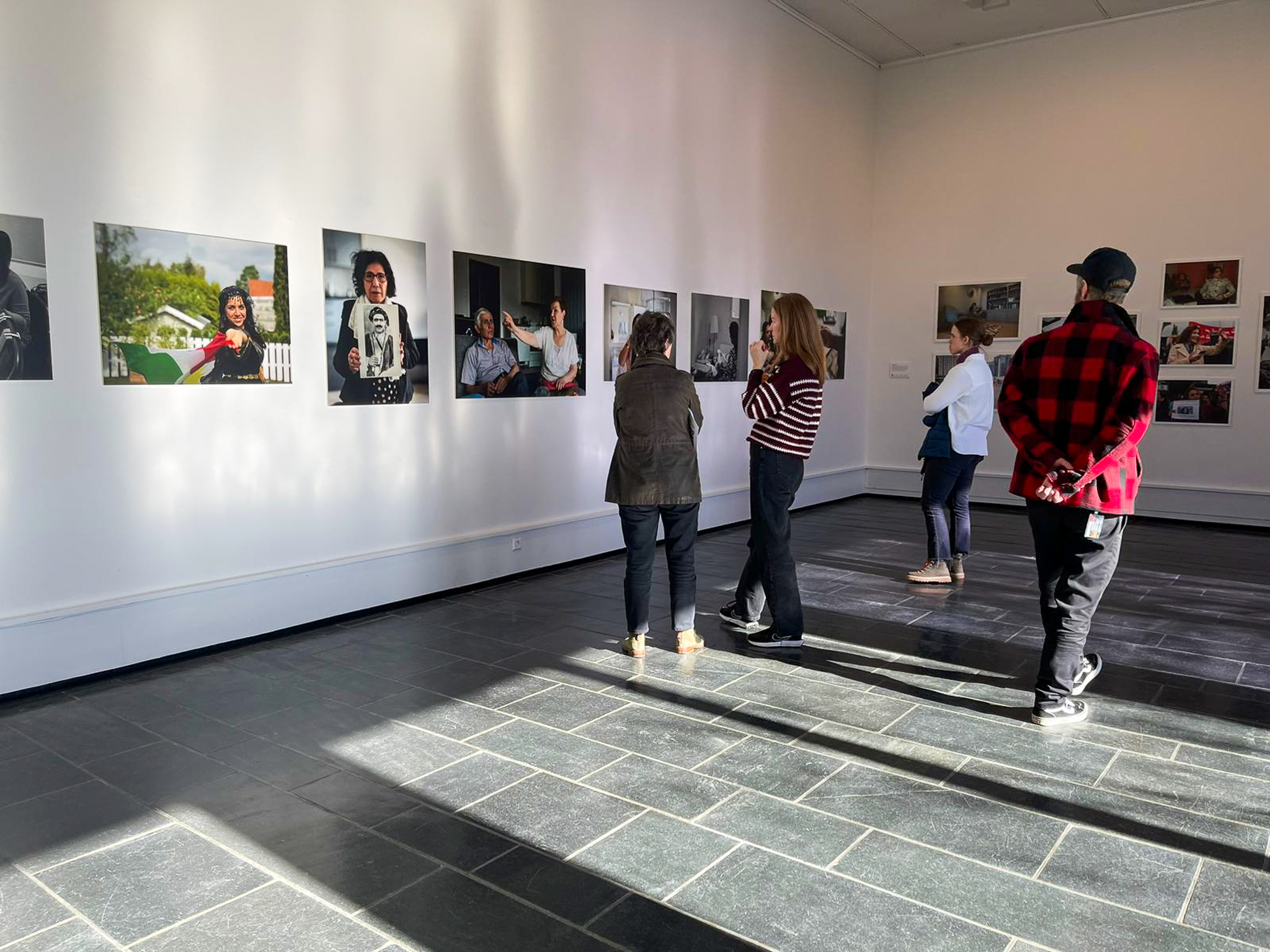
The exhibition shows three series of photographs: women as new citizens after their arrival in Norway, women as activists, and women who work in their homeland. The series explore the themes of womanhood, otherness, empowerment, and resilience in a context of insecurity, escape and new homelands for a dispersed community. They show the multidimensional and layered aspects of Kurdish women’s lives and activisms in Norway, and therewith evoke the audience to develop new insights and imaginations about (immigrant and Muslim) women’s lives.
Link to one of the panel discussions.
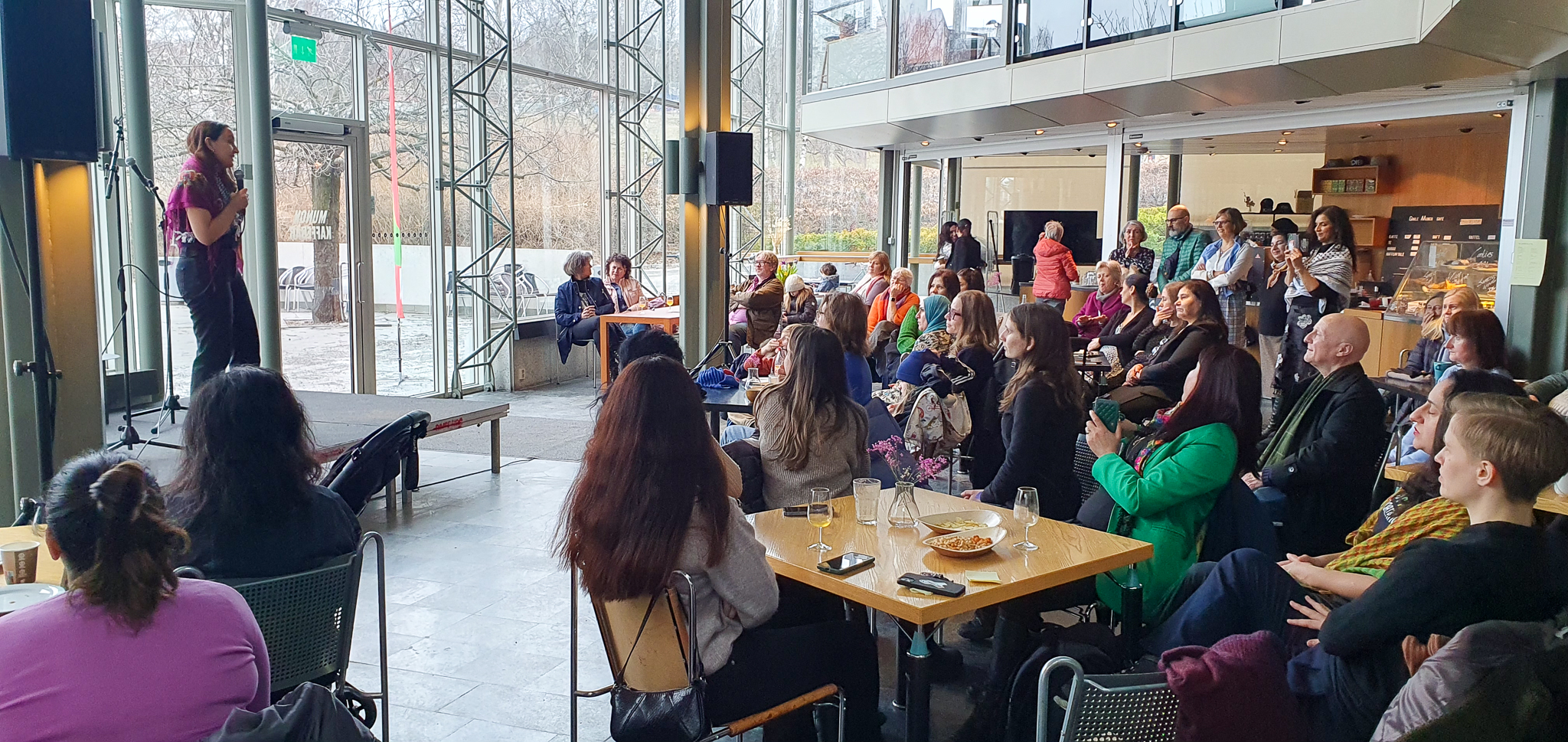
The Eighth Uncensored Book Fair in Oslo
Every year, Iranian publishers and authors residing in Europe and North America organized an uncensored book fair parallel to the corresponding fair in Tehran. The book fair is typically held at various countries, and its primary aim is to combat censorship in research, writing, and book publishing. During a period when the Iranian government’s censorship apparatus oppress and endanger many Iranian citizens within Iran, the fair serve as a platform to uphold values that resist censorship.
OWL Publication and several other publishing houses participated in past editions of the book fair. The objective was to foster a multicultural and dynamic environment, encouraging participation from all residents of Norway regardless of their linguistic, cultural, and historical backgrounds. The events usually included panel discussions, readings, and opportunities to explore and purchase Iranian literature.
The Seventh Uncensored Book Fair in Oslo
Every year, Iranian publishers and authors residing in Europe and North America organized an uncensored book fair parallel to the corresponding fair in Tehran. The book fair is typically held at various countries, and its primary aim is to combat censorship in research, writing, and book publishing. During a period when the Iranian government’s censorship apparatus oppress and endanger many Iranian citizens within Iran, the fair serve as a platform to uphold values that resist censorship.
OWL Publication and several other publishing houses participated in past editions of the book fair. The objective was to foster a multicultural and dynamic environment, encouraging participation from all residents of Norway regardless of their linguistic, cultural, and historical backgrounds. The events usually included panel discussions, readings, and opportunities to explore and purchase Iranian literature.
Invisible Voices was a project aimed at creating and promoting queer culture in Norwegian society, focusing on queer immigrants and the challenges they face. In this project, I made a four-part documentary film about the most significant challenges in this journey. The sections of the documentary were titled Self-Identification, Coming Out, Asylum Status, and Integration into Norwegian Society. Additionally, I organized more than 15 panel debates and workshops across Norway and internationally with my team.
The project is supported by the Culture Council of Norway.
The project received considerable attention and was featured in several Norwegian media outlets.
Link to the BLIKK Magazine article that wrote about the project.
In this project, I created a single-episode documentary film in collaboration with the Tøyen Municipality.
Stop Hate Speech is an international youth movement for human rights and against hate speech that has been active in over 40 countries. The movement was started by the Council of Europe’s Youth Council after the terror attacks on July 22, 2011, in the government quarter and on Utøya, to confront hate ideologies online.
Dialogue and Reflection on the Rights Struggles of Queer Immigrants in Norway (2022)
Project Description
In 2022, the Invisible Voices project was launched to organize workshops, produce informational videos, and host events featuring a group of city of refuge writers who had sought asylum in Norway. These individuals had been forced to flee their home countries due to persecution related to their literary or artistic work, activism, and queer identities.
The project aimed to foster reflection and dialogue by examining Norway’s progress in LGBTQ+ rights over the past 50 years and comparing it to the ongoing struggles faced by queer immigrants. It sought to shed light on these experiences, making them an integral part of Norway’s queer history and broader human rights discourse. A key focus was on self-acceptance and the challenges of being part of multiple marginalized communities.
Invisible Voices also worked to elevate the voices of city of refuge writers and artists, providing them with a platform in Norwegian public discourse. The initiative aimed to raise awareness of the discrimination they had endured and continued to face while supporting those who feared coming out due to the risk of intimidation or social control within their communities.
Additionally, the project sought to establish a lasting support network, both for participants and for other individuals navigating similar experiences. Over the course of the project, gatherings were held to strengthen professional and social networks, and participants engaged in skill-building activities. Prior to 2022, the resource group had already been active for over a year, organizing events in collaboration with the Norwegian city of refuge network and participating in Pride celebrations in Larvik, Trondheim, Lillehammer, and Oslo.
Objective and Background
The decriminalization of homosexuality in Norway did not guarantee freedom and acceptance for all members of the LGBTQ+ community. Queer individuals with immigrant backgrounds frequently experienced deep-seated shame and guilt associated with their identities. Many queer refugees had come from countries where homosexuality remained criminalized, either through legal statutes or societal norms that treated LGBTQ+ individuals as criminals, outcasts, or morally inferior.
In Norway, many immigrant communities continued to experience negative social control, which contributed to significant societal challenges. Queer immigrants, in particular, often faced multiple layers of discrimination—exclusion from their ethnic communities, marginalization within the broader LGBTQ+ movement, and systemic barriers to social and economic integration. These intersecting challenges had become an integral part of Norway’s contemporary human rights struggle, underscoring that the fight for equality was still ongoing for many who were not ethnically Norwegian.
Through this project, Invisible Voices sought to highlight these issues, raise awareness, and provide support to those struggling to navigate these complexities. By amplifying the voices of queer immigrants and city of refuge writers, the initiative aimed to empower individuals to share their experiences—not only within Norway but also in advocating for change in their countries of origin.
Format and Activities
The project centered around four key themes, which were explored through workshops, video content, and public discussions. These themes reflected different stages of participants’ journeys and the challenges they faced:
- Childhood and Upbringing – Exploring early experiences of identity, family expectations, and cultural influences.
- Coming Out to Oneself – Addressing internal struggles, self-acceptance, and personal growth.
- Migration to Norway – Examining the challenges of seeking asylum, adapting to a new culture, and navigating legal and social systems.
- Living Openly in Society – Discussing integration, visibility, and activism within Norwegian society and beyond.
Each thematic video was approximately six minutes long and combined poetry, storytelling, and theoretical reflections, followed by group discussions. In addition to utilizing participants’ own literary and artistic works as discussion points, the project invited guest speakers, including artists, writers, and scholars, to contribute insights and perspectives.
The Role of Literature and Storytelling
A significant component of Invisible Voices was its use of literature as a tool for empowerment and visibility. Many poets and writers had been punished or exiled due to their sexual orientation, yet their works served as powerful testimonies of resilience. By featuring these narratives, the project aimed to provide solace and inspiration to those struggling with their identities, offering them a sense of belonging in their new homeland.
The initiative also collaborated with Pride in Trondheim, adult education centers, and organizations such as Skeiv Verden and Salam to facilitate workshops where these videos served as a foundation for group discussions. Through these engagements, participants had the opportunity to share their experiences, challenge societal perceptions, and advocate for greater inclusivity.
Project Summary (2022)
The Invisible Voices project, conducted in 2022, provided a platform for queer city of refuge writers in Norway, many of whom had been persecuted due to their literary work, activism, or LGBTQ+ identity. The initiative examined the evolution of LGBTQ+ rights in Norway over the past five decades while shedding light on the continued struggles of queer immigrants—particularly in relation to self-acceptance and intersectional discrimination.
By amplifying the voices of queer refugees, the project sought to bring greater visibility to their experiences, foster community support, and create spaces where individuals could engage in meaningful dialogue. A core focus was on supporting those who remained in the shadows due to fear of social control or threats from their communities.
Target Audience
The primary audience for the project included:
- Immigrants, particularly newly arrived asylum seekers and refugees attending adult education centers and integration programs.
- The broader LGBTQ+ community, including activists, scholars, and cultural organizations interested in intersectionality and queer migration.
- Norwegian society at large, to foster awareness and promote acceptance of queer immigrants.
- Professionals working with marginalized communities, including educators, social workers, and policymakers, who could use the project’s materials for training and awareness initiatives.
Beyond addressing immediate concerns, the project aimed to challenge attitudes within immigrant communities, promote greater acceptance of LGBTQ+ minorities, and provide long-term educational resources for those working in multicultural and queer advocacy spaces.
Conclusion
By providing a safe space for storytelling, artistic expression, and dialogue, Invisible Voices played a crucial role in bridging the gap between Norway’s established LGBTQ+ movement and the ongoing struggles of queer immigrants. The project not only highlighted the resilience of its participants but also underscored the need for continued advocacy and systemic change to ensure that all LGBTQ+ individuals—regardless of their backgrounds—could live freely and with dignity.
Multicultural Book Fair & Panel Discussions
Voices of Resistance: Celebrating Linguistic and Ethnic Diversity in Iran
Location: Deichman Grünerløkka, Oslo
Organizer: OWL Publications (Shokrian Forlag)
Executive Summary
This three-day event served as a vital platform for exploring the rich ethnic and linguistic tapestry of Iran—a landscape often overshadowed by decades of centralized cultural policies. By bringing together Persian, Kurdish, and Balochi voices, the fair moved beyond the official “Farsi-only” narrative to foster solidarity and highlight the systemic challenges faced by Iran’s diverse ethnic groups.
The event featured prominent publishers and academic institutions from across Europe, including Arzan Book Publications (Sweden), Iran Academia University (Netherlands), and OWL Publications (Norway).
Program Highlights
Media and Censorship: A deep dive with Dr. Banafshe Ranji (NTNU) into her sociological research on journalistic practices within Iran’s restrictive political climate.
The Balochi Struggle: An essential historical session with Mohammad Rigi Derakhshan, discussing the first research-based account of the Baloch people’s resistance over the last 50 years.
Women, Art, and Politics: A closing panel featuring Member of Parliament Seher Aydar, activist Sairan Marofi, and art historian Zeenat Amiri Waaler. This Norwegian-language session connected the Kurdish women’s struggle with inclusive art mediation and political representation in Norway.
Core Objectives
Advocacy: Challenging the systematic discrimination against non-Persian ethnic groups (Kurds, Balochs, Turks, Arabs, etc.).
Solidarity: Building bridges between different ethnic identities through literature and uncensored academic discourse.
Cultural Preservation: Providing a space for languages and histories that are marginalized by the Iranian central government.
This event represents a successful intersection of literary activism and human rights advocacy, facilitating complex dialogues on identity, censorship, and the “Woman, Life, Freedom” movement’s roots in ethnic minority struggles.
Watch the full sessions and highlights here:
